.png)
For those who show up for everyone else
A shorter fuse. Staying on high alert, even off shift. Pulling away from people you used to be close with. If your work has left you carrying something like this, it has a name: operational stress injury, or OSI. It happens to military members, veterans, police, paramedics, firefighters, nurses and other frontline workers. You don’t need the label to start.
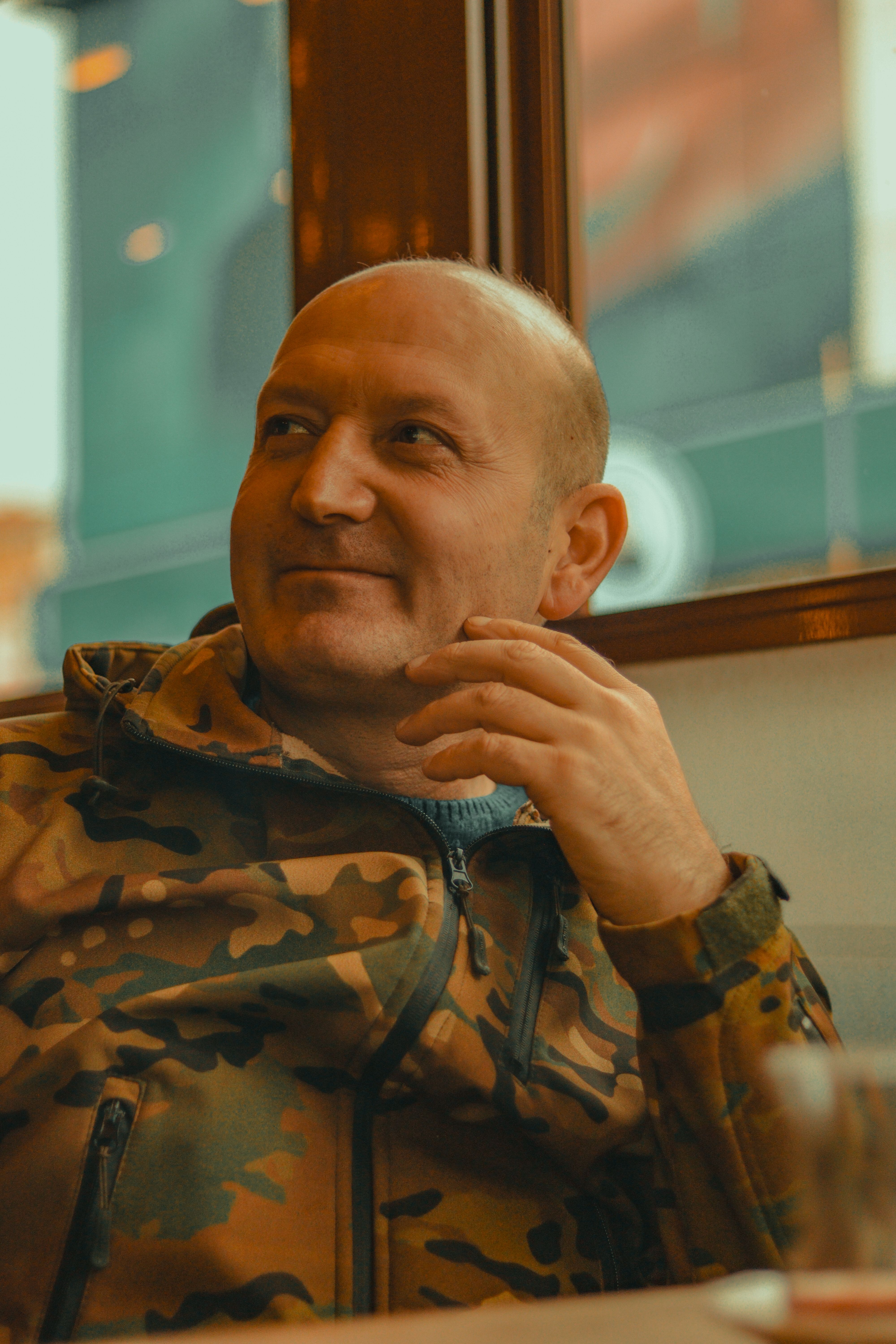
Reaching out isn’t a step back. Many people find it’s what helps them stay steady for the people who count on them.
Some people notice
You don’t need to tick every box. One or two that feel familiar is reason enough to reach out.
- A shorter fuse than you used to have
- Staying on high alert, even off duty
- Trouble sleeping, or nightmares
- Pulling away from people you used to be close with
- Guilt, shame, or a shaken sense of trust in yourself or your organization
- Avoiding crowds, sounds, or situations that put you on edge
The questions people ask
Will this affect my job or my clearance?
What you share with us is confidential within the standard limits, and we don’t report to your employer, unit, or organization unless required by law. Reaching out for support isn’t the same as being flagged as unfit. Many people keep working while they see us.
Is this covered through VAC, the Forces, or the RCMP?
If you have an approved claim with Veterans Affairs Canada (VAC), the Canadian Armed Forces (CAF), or the RCMP, ask us during your consult. We’ll help you figure out how your funding applies here. For extended health plans, we bill most major insurers directly, so you only pay what your plan doesn’t cover. If we can’t bill your plan, your card is charged after your session and we give you a receipt with our registration details.
What are the signs of an operational stress injury?
They vary, but often include a shorter fuse, sleep problems, staying on high alert, pulling away from people, guilt or shame, and a shaken sense of trust in yourself or your organization. OSI is a broad term. It can include PTSD, but also anxiety, depression, and other reactions to what you’ve experienced or carried, often together. You don’t need to match a checklist, or point to one specific incident, to reach out.
Can you refer me to the OSI Clinic?
No. Only VAC, CAF, or the RCMP can refer you to the Nova Scotia Operational Stress Injury Clinic (NSOSIC). We can help you start that process and support you here in the meantime.
What kind of therapy would we use?
We draw on well-supported approaches to trauma. Most often that’s EMDR (helping traumatic memories lose their charge), CPT (working with the beliefs trauma can leave behind), Prolonged Exposure (safely facing reminders so they hold less power), and WET (a shorter, writing-based option). We can also connect you with peer support built for this: OSISS, PSPNET, and the OSI Connect app.